

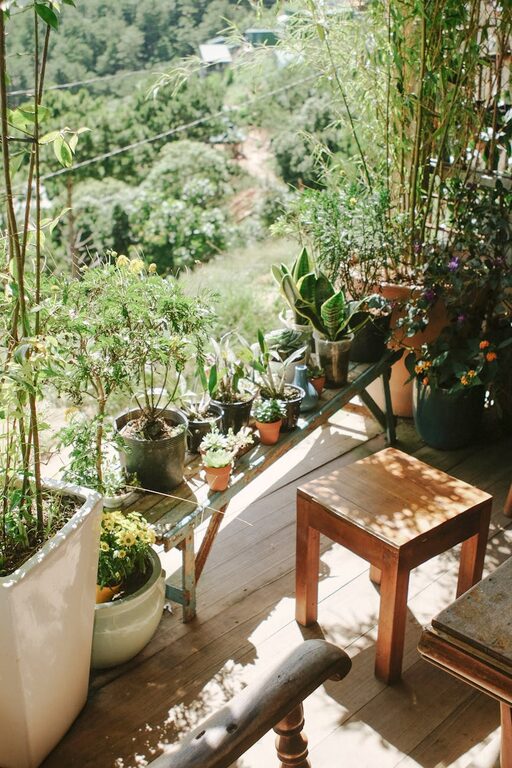
Creating a relaxing garden space at home is a wonderful way to unwind, connect with nature, and enjoy fresh air without leaving your property. Whether you have a large garden or a small balcony, a few thoughtful changes can transform your outdoor area into a peaceful haven. This guide offers practical tips to help you design a calming garden space that invites relaxation and rejuvenation.
Why Create a Relaxing Garden Space?
Spending time outdoors has many benefits, including reducing stress and improving mood. A well-designed garden can serve as a personal retreat, a place to meditate, read, or simply enjoy the beauty of nature. By creating a space that feels welcoming and soothing, you enhance your overall wellbeing.
Planning Your Relaxing Garden
Before you start planting or buying furniture, it helps to plan your garden layout and consider how you want to use the space.
Consider Your Space and Needs
– Assess your area: Measure your garden or outdoor space to understand what can fit.
– Decide on activities: Will you use the garden for quiet reflection, gardening, reading, or socialising?
– Think about privacy: Add screens, hedges, or fencing to create a sense of seclusion and peace.
Choose a Theme or Style
Selecting a gardening style can help keep your design cohesive and calming. Popular themes include:
– Japanese garden: Emphasise simplicity, water features, and natural materials.
– Cottage garden: Mix colourful flowers with casual layouts.
– Herb garden: Combine scent and practicality with herbs for cooking and teas.
– Minimalist garden: Use clean lines, limited plants, and neutral colours for a modern feel.
Essential Elements for a Relaxing Garden
Certain elements encourage calmness and comfort. Consider including these to enhance your garden’s relaxing atmosphere.
Comfortable Seating
Your garden invite should include somewhere cosy to sit. Ideas include:
– A bench with cushions
– A hammock or swing chair
– A set of weather-resistant chairs and a small table
Soft Lighting
Soft, warm lighting extends use into the evening and adds ambience:
– Solar or battery-operated lanterns
– String lights draped over pergolas or fences
– Ground-level path lights
Water Features
The gentle sound of running water is calming. Even small installations work well, such as:
– A tabletop fountain
– A birdbath with flowing water
– A small pond with aquatic plants
Plants for Calmness
Choose plants known for their relaxing qualities or pleasant scents:
– Lavender: soothing fragrance, attracts pollinators
– Jasmine: sweet scent in warmer months
– Ferns: soft textures and green foliage
– Grasses: gentle movement in the breeze
– Rosemary and mint: aroma and practicality
Natural Materials
Use natural materials to enhance the feeling of harmony:
– Wooden furniture or decking
– Stone or gravel paths
– Clay pots and planters
Practical Tips to Maintain Relaxation
Keep It Tidy
A well-kept garden feels more restful. Regularly prune plants, clear debris, and mow lawns.
Limit Noise
If your area is noisy, consider noise buffers:
– Dense planting to absorb sound
– Water features to mask urban noise
– Outdoor screens or fences
Create Zones
Dividing the garden into zones can help meet different needs without clutter:
– Quiet corner for reading or meditation
– Small vegetable or herb plot
– Social zone with a table for meals or tea
Final Thoughts
A relaxing garden space doesn’t require a complete overhaul. Small changes, thoughtful design, and a few key features can turn any outdoor area into a peaceful retreat. Start by imagining how you want to use the space, choose calming plants and materials, and add comfortable seating. With a little effort, your garden can become your favourite spot for relaxation and enjoyment.
Enjoy your garden journey!