

Creating a home office that balances relaxation and productivity can greatly enhance your work-from-home experience. Whether you have a dedicated room or a small corner, a well-designed workspace helps reduce stress and improves concentration. In this post, we’ll explore simple, practical tips to make your home office both calming and efficient.
Choose the Right Location
Maximise Natural Light
Natural light boosts mood and alertness. Position your desk near a window to benefit from daylight. If natural light is limited, consider adding daylight-mimicking bulbs to reduce eye strain.
Minimise Distractions
Choose a quiet spot away from high-traffic areas of your home. If noise is unavoidable, invest in noise-cancelling headphones or use white noise apps to maintain focus.
Optimise Your Desk Setup
Invest in a Comfortable Chair
A supportive chair is key for long working hours. Look for adjustable features that promote good posture to prevent discomfort.
Keep Your Desk Clutter-Free
An organised desk promotes clarity and efficiency. Use organisers or trays to keep stationery and documents tidy, and clear unnecessary items daily.
Position Your Screen Correctly
Place your monitor at eye level about an arm’s length away to reduce neck strain and improve comfort.
Personalise Your Space Calmly
Add Soothing Colours
Soft, neutral tones like pale blues, greens, or greys create a calming environment. Avoid overly bright or distracting colours that might affect concentration.
Incorporate Plants
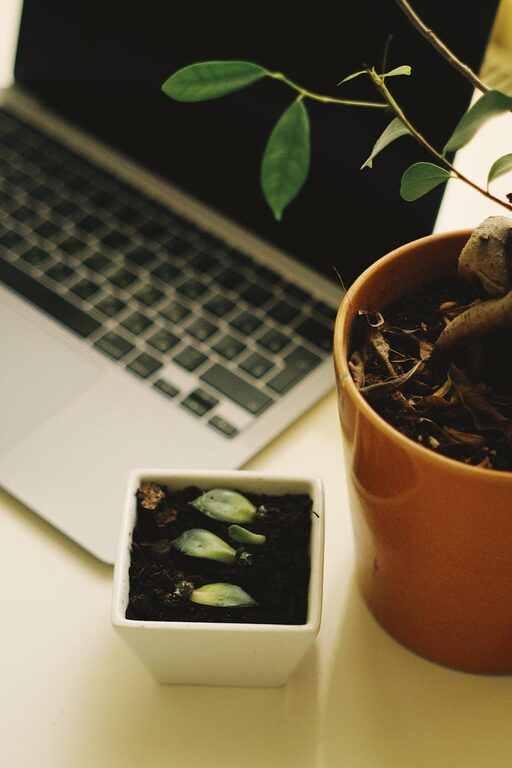
Indoor plants improve air quality and add a touch of nature, which can reduce stress and boost creativity. Choose low-maintenance varieties like succulents or spider plants.
Maintain Good Organisation
Use Storage Solutions
Shelves, drawers, and filing cabinets help keep essential documents and supplies organised. Label storage containers for easy access.
Plan Your Workflow Area
Designate specific areas for different tasks, such as a writing space, computer station, and a spot for brainstorming or sketching.
Create a Relaxation Corner
Comfortable Seating
If space allows, include a small armchair or cushion for breaks. This encourages moments of rest and helps clear your mind.
Use Calming Accessories
Consider adding a small water feature, calming artwork, or soft lighting like a table lamp or fairy lights to enhance relaxation.
Maintain Good Air Quality and Temperature
Fresh Air
Open windows regularly to let in fresh air. Good ventilation helps keep you alert and comfortable.
Adjustable Temperature
Keep your workspace at a comfortable temperature. Use fans, heaters, or humidifiers as needed to create a cosy atmosphere.
Develop Healthy Habits
Take Regular Breaks
Schedule short breaks to stretch, move around, or step outside. This reduces fatigue and improves overall productivity.
Stay Hydrated and Nourished
Keep a bottle of water nearby and enjoy healthy snacks. Staying hydrated and nourished supports focus and energy levels.
Use Technology Wisely
Manage Notifications
Limit distractions by silencing unnecessary notifications during work hours. Use apps or settings that block distracting websites if needed.
Enhance Lighting with Technology
Consider smart lighting systems that adjust brightness and colour temperature throughout the day to support natural rhythms.
Final Thoughts
Creating a home office that fosters both relaxation and productivity doesn’t require a complete overhaul. Simple adjustments like improving lighting, organising your desk, and adding personal, calming touches can make a big difference. Remember to listen to your needs and make your workspace a place that motivates and comforts you throughout your working day. With these tips, your home office can become a pleasant and efficient space to work in every day.